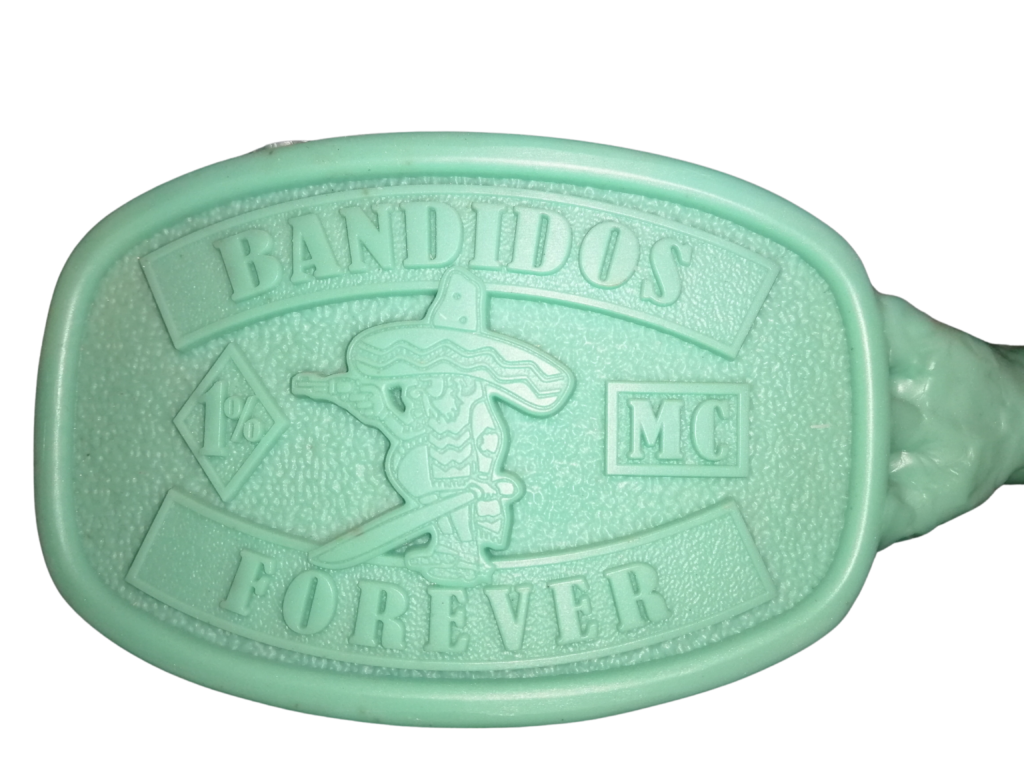
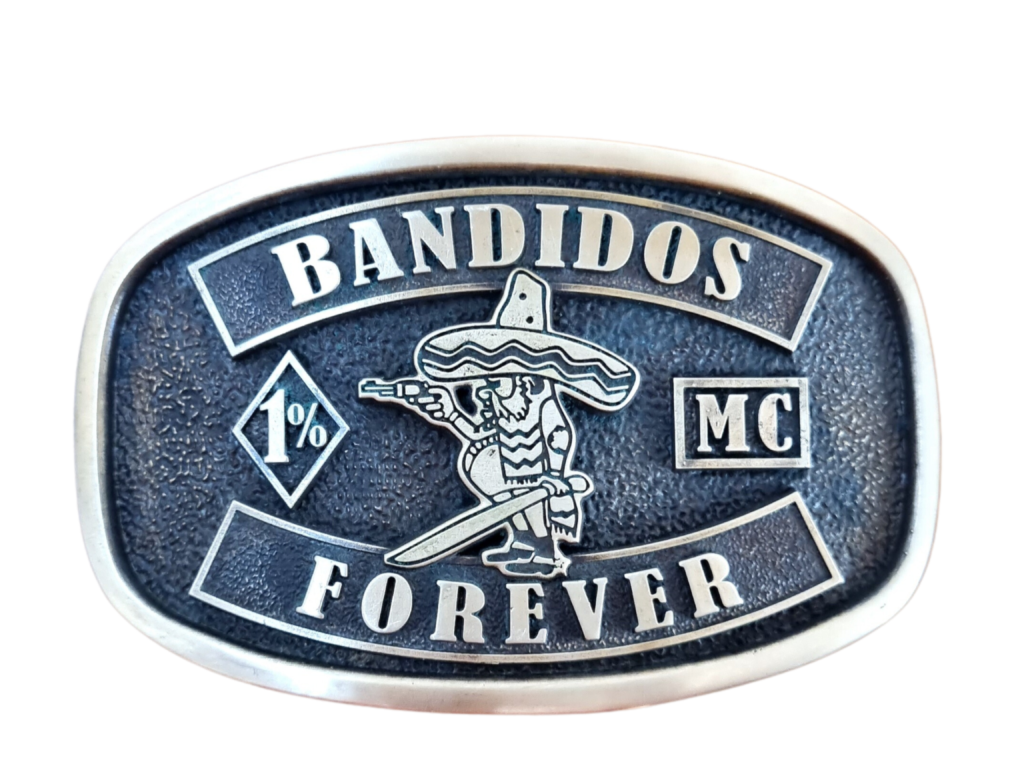
A master pattern is a real, reference product on the basis of which all subsequent serial products (copies) are made. Creating master patterns for art casting is an art by itself that requires great skill and attention to detail. This process can be quite complex and require the use of different techniques and materials.
What is the purpose of a master pattern?
Usually, it is required to make a mold. The mold, in turn, is needed to produce the wax patterns.
Master pattern
Wax model
Product in metal
How are master patterns made?
A master pattern can be made by hand from scratch. For example, an artist can mold a model from plasticine or clay, or carve it out of modeling wax, wood, metal, or other material. A finished product can also be used as a master pattern. For example, when you need to make a copy of a piece during restoration.
Most often, they are made based on 3D models. In this case, it is cut out on a CNC (computer numerical control) machine or made on a 3D printer.
Milling
This process has its advantages and disadvantages, which should be taken into account. The advantages are the high accuracy and detail of the obtained pattern, which is especially important when details are of great importance. Milling machines also allow you to process various materials, including metal, wood, plastic, wax, and many others, which gives you a wide range of choices for implementing certain projects. The disadvantage is the high price, which is justified by the significant costs of purchasing and maintaining milling equipment.
3D printing
3D printing of master patterns is a modern technology that has become popular quite recently. Its advantage is the ability to create objects with complex configurations that cannot be created by milling. The disadvantage is the need for subsequent manual processing, as after printing, there are supports and stripes left on the product that need to be processed manually.